
The short answer
Duct cleaning makes sense when there's visible debris, pest activity, mold, a musty smell, or leftover construction dust, not just because time has passed. QuickAir inspects your ducts first, then recommends cleaning, sealing, repair, or replacement based on what we actually find.
Your ducts carry every bit of air your furnace, heat pump, or air conditioner moves through your home. Over time they can collect dust, construction debris, pet hair, and sometimes pests or moisture. Not every home needs duct cleaning on a set schedule, and we'll tell you if yours doesn't. But when there's a real problem, cleaning the ductwork, and sometimes repairing or sealing it, can help your system move air more cleanly and evenly. QuickAir HVAC Repair Service provides duct cleaning and duct repair for homeowners in San Jose and nearby cities across the Santa Clara Valley. This page covers the signs that point to a problem, what we inspect, your options, what affects the cost, and what to expect during a visit.
Signs Your Ducts May Need Cleaning
Local conditions play a part. The Santa Clara Valley has dry summers, which means dust, and inland and southern parts of the valley run noticeably hotter, so air conditioners there run long hours pulling air through the ducts. Mild, damp winters bring a different issue: moisture in the attics and crawl spaces where many ducts run. Either one can lead to buildup or contamination worth a closer look.
Watch for these signs:
- Dust or debris blowing out of supply registers when the system starts
- Furniture and floors that get dusty again soon after you clean
- A musty or stale smell when the heat or AC turns on
- Signs of rodents or insects, such as droppings, nesting material, or scratching sounds near vents
- Visible mold on registers, grilles, or duct surfaces
- A recent remodel, drywall work, or flooring project that created a lot of dust
- A newly purchased home where you don't know the duct history
- Air filters that clog much faster than they should
What We Check During a Duct Inspection
Before we recommend cleaning, we inspect the whole air path. Some symptoms that look like dirty ducts, such as weak airflow in certain rooms, can actually come from leaks, crushed ducts, or a blower problem. Cleaning won't fix those, so we check before suggesting it.
When we can reach the inside of a duct, we use a camera and show you the footage or photos, so you can see the condition yourself and decide with clear information.
- Supply registers and return grilles throughout the home
- Main trunk lines and branch runs where accessible
- Supply and return plenums near the equipment
- The blower compartment and evaporator coil area, since a dirty blower or coil can spread dust right back into clean ducts
- Air filter size, fit, and the filter rack, because gaps let unfiltered air slip past
- Duct joints, seams, and connections for leaks or separations
- Flexible duct that is crushed, kinked, sagging, or disconnected
- Duct insulation in attics and crawl spaces
- Signs of moisture, mold, or pest activity
Cleaning, Repair, or Replacement
If your ducts are structurally sound but dirty, cleaning alone is usually the right call. If we find leaks or damage, repair often makes more sense than replacement. Common repairs include sealing leaky joints with mastic or approved foil tape, reconnecting loose runs, re-hanging sagging flex duct, replacing a damaged section, and re-insulating ducts in unconditioned spaces.
Replacement is worth considering when flex duct has become brittle or torn, insulation has broken down, pest damage is widespread, or the layout is undersized or poorly routed and causes ongoing comfort problems. Sometimes cleaning badly deteriorated duct isn't worth it, and we'll say so.
Future equipment plans matter too. Under Bay Area Air District rules, natural gas furnaces manufactured from 2029 must meet a zero-NOx emission standard, which in practice points homeowners toward heat pumps when a furnace is replaced after that date. The rules don't require you to replace working equipment. Still, if a heat pump may be in your future, it can make sense to have your ducts evaluated before you put money into major duct work.
What Affects the Cost of Duct Cleaning
Every home is different, so we give you a written quote after the inspection and before any work begins. These are the main factors:
- Size of the home and the number of supply and return registers
- Number of HVAC systems and air handlers
- How easy the ducts are to reach, including tight attics and low crawl spaces
- Duct material, since sheet metal, flexible duct, and duct board each need different tools and care
- How much buildup there is, and whether there's pest debris or mold that takes extra work
- Whether blower and coil cleaning are part of the job
- Any sealing, repairs, or section replacements you choose to add
How a Duct Cleaning Visit Works
When our technician arrives, they'll ask about the problems you've noticed, lay down floor protection, and inspect the system and ductwork. Then they'll walk you through what they found and explain your options, including when cleaning isn't needed.
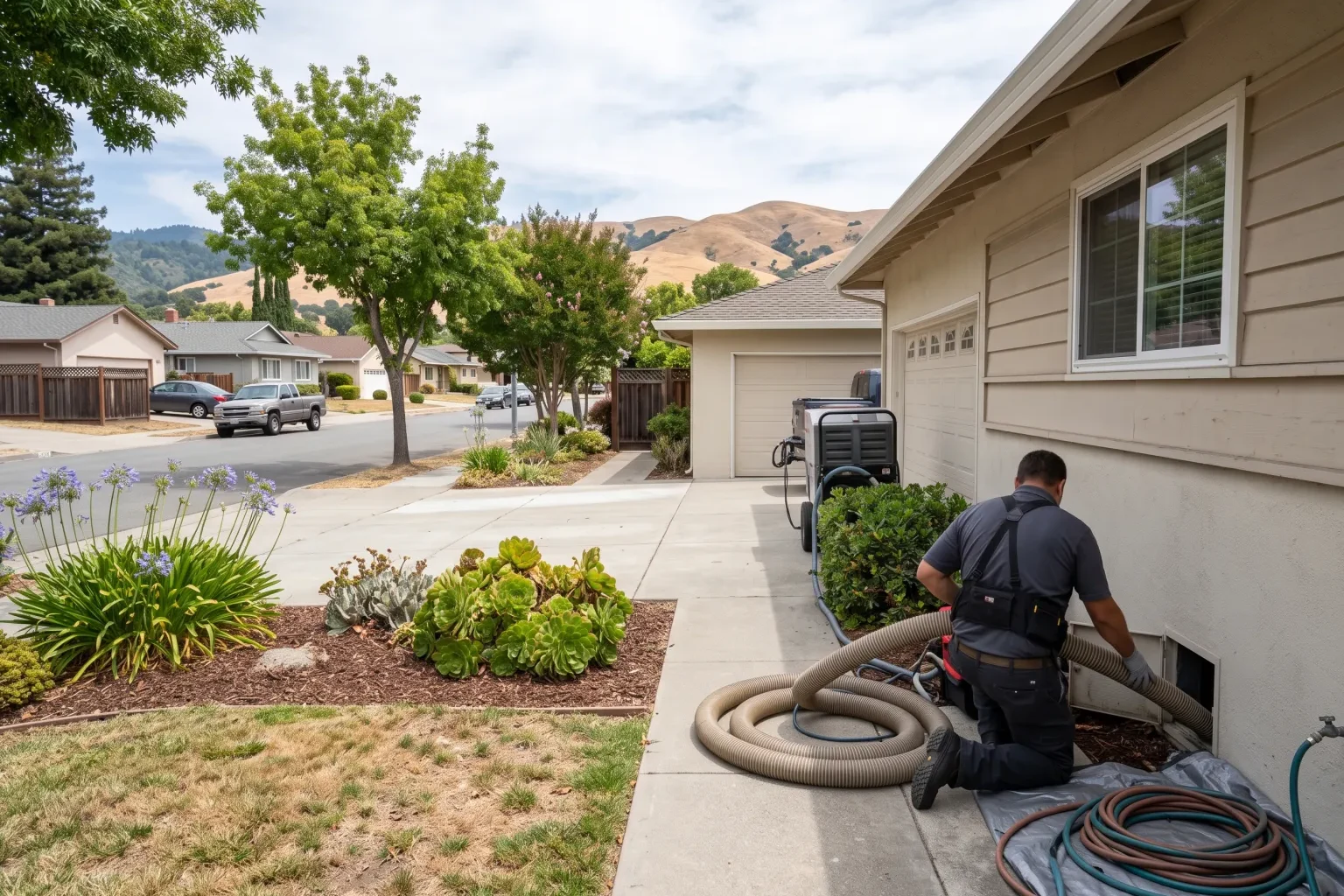
If you go ahead, we connect a high-powered vacuum to the duct system to keep it under negative pressure, then use brushes and air tools to loosen debris so it gets pulled out instead of blowing into your home. We clean registers and grilles, clean the blower and coil area if that's part of the plan, and install a properly fitting filter. Any repairs you approve are done during the same visit when possible.
Before leaving, we turn the system back on, check airflow at the registers, and review the work with you. If your heating or cooling stops working entirely, QuickAir also offers 24/7 emergency service.