
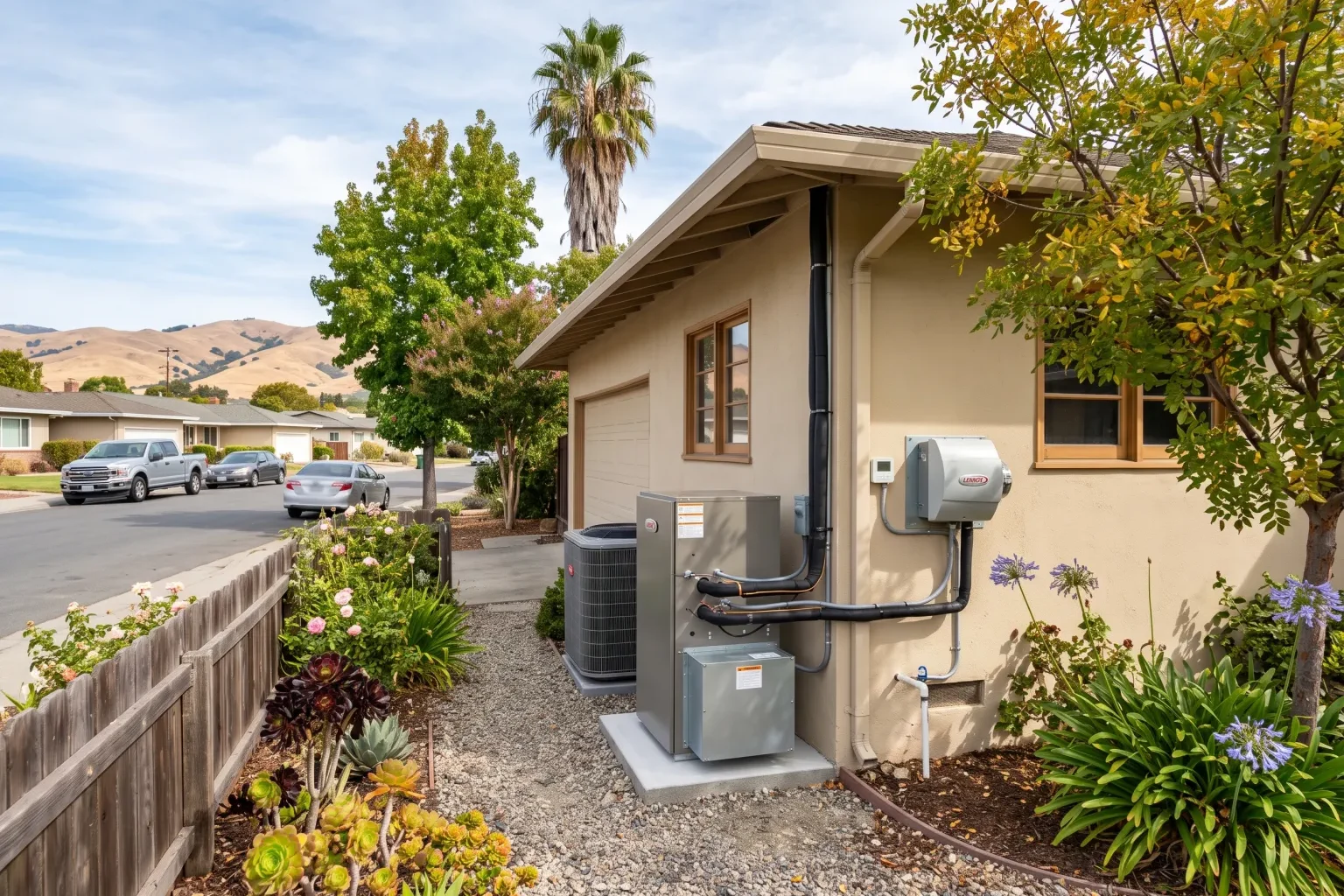
The short answer
If your home feels dusty, stuffy, musty, or too damp or dry, your HVAC system is often part of the cause and part of the solution. QuickAir checks filters, coils, drains, ducts, returns, and humidity, then explains repair and upgrade options, starting with the simplest fix.
Indoor air quality is about what you breathe at home: dust, pollen, smoke, humidity, odors, and the gases that build up when a house stays closed. In San Jose and nearby cities, your heating and cooling system moves that air through every room many times a day. When the system is dirty, leaky, or poorly matched to the house, it can spread problems instead of filtering them out. QuickAir HVAC Repair Service inspects the parts of your system that affect air quality, explains what we find in plain terms, and recommends fixes that fit your home. We don't push equipment you don't need. Often the right answer is a cleaning, a repair, or a better filter.
Signs Your Home Needs Indoor Air Quality Help
Air quality problems usually show up as small annoyances before they become obvious. In the Santa Clara Valley, dry summers bring dust and, in some years, wildfire smoke. Mild, damp winters can raise indoor humidity in homes that stay closed up. Watch for these signs:
One sign needs immediate attention. If anyone in the home has headaches, dizziness, or nausea that improves outside, and you have gas appliances, leave the house and call your gas utility or 911. Then have your furnace and venting checked. We offer 24/7 emergency service for heating problems.
- Dust settling on furniture soon after you clean
- Allergy or asthma symptoms that ease when you leave the house
- Musty or stale smells when the system turns on
- Condensation on windows or damp spots in winter
- Rooms that feel stuffy, or air that feels very dry
- Smoke odors that linger after outdoor air improves
- Visible dirt or growth around supply vents or return grilles
- A filter that clogs much faster than expected
What We Check During an Indoor Air Quality Visit
An indoor air quality visit starts with your HVAC system, because that is where most fixable problems are. We look at:
We also ask about your household: pets, allergies, smoking, cooking habits, and recent remodeling. These details help us separate system problems from sources that HVAC equipment can't fix on its own.
- Air filter type, size, fit, and condition, including gaps that let air bypass it
- Blower wheel and motor for dust buildup that reduces airflow
- Evaporator coil and condensate drain pan for dirt, standing water, or growth
- Condensate drain line for clogs that can cause moisture problems
- Accessible ductwork for leaks, disconnected sections, and dirt near returns
- Return air pathways, since blocked or undersized returns can pull air from attics, crawl spaces, and garages
- Furnace burners, heat exchanger condition, and venting on gas systems
- Indoor humidity levels and how well the system manages them
- Existing air cleaners, UV lights, or ventilation equipment, to confirm they work
Repair, Upgrade, or Replace: Your Options
Most air quality issues can be solved without replacing your heating and cooling system. Common repairs and improvements include:
Replacement is worth discussing when equipment is near the end of its life, a furnace heat exchanger is cracked, or ductwork is badly deteriorated. A system that needs repeated repairs may cost more to keep than to replace. We'll lay out both paths so you can decide.
If you're considering replacing a gas furnace, know the local rules. The Bay Area Air District does not require you to replace working equipment. Its rules apply only when a furnace or water heater fails or is replaced. Gas furnaces manufactured from 2029 must meet a zero-NOx standard, which in practice points homeowners toward heat pumps. For current heat pump incentives, check BayREN and your local clean energy provider. Amounts change by funding cycle, so we confirm the current offer before including it in a quote. The federal 25C tax credit covered heat pumps placed in service before December 31, 2025, and is not available for new installations after that date.
- Cleaning the blower, coil, and drain pan
- Clearing drain lines and fixing drainage problems
- Sealing duct leaks and reconnecting loose sections
- Upgrading to a higher-efficiency or media filter, if your system's airflow can handle it
- Adding or repairing return air
- Installing whole-home air cleaners, UV lights, humidifiers, or dehumidifiers where they make sense
- Adding balanced ventilation for tightly sealed homes
What Affects the Cost
We give you a clear estimate before any work begins. The cost of air quality work depends on several factors:
- Whether the fix is a cleaning, a repair, or new equipment
- The size of your home and the number of HVAC systems
- How accessible your equipment and ducts are, such as tight attics or crawl spaces
- The condition of existing ductwork and how much sealing or repair it needs
- The type of filtration, air cleaning, or ventilation equipment you choose
- Whether electrical work or new return ducts are needed
- Any incentives that apply at the time you buy
How a Visit Works
When you schedule, we ask what you're noticing and when it happens, such as only at night, only with the heat on, or only in certain rooms. That helps the technician come prepared.
On site, the technician talks with you, inspects the system and accessible ductwork, and checks airflow and humidity. We show you what we find, with photos when that helps, and explain which problems matter most.
You'll get options, usually starting with the simplest fix. Many cleanings and repairs can often be done during the same visit. Larger upgrades are scheduled at a time that works for you. Before we leave, we explain filter changes and simple maintenance so the improvement lasts.